 Agriculture›
 Apparel and fashion accessories›
 Construction & real estate›💡Electronic & Electrical›🍎Food & Beverages›🛋️Home furnishing & supplies›⚗️Industrial goods & chemical›🪨Minerals & metals›📦Miscellaneous›
Global Plant Growth Stimulants Manufacturers, Suppliers & Wholesale Directory
Source Plant Growth Stimulants products from verified global suppliers on EximNext
Trending Wholesale Plant Growth Stimulants Products


Top Plant Growth Stimulants Exporters & Manufacturers

Wholesale Plant Growth Stimulants Industry Overview and Global Market Insights
Wholesale demand for plant growth stimulants flows through food processing, ingredients, nutraceuticals, beverage manufacturing, and downstream wholesale distribution. As a category, plant growth stimulants spans cereals and grains, pulses, oilseeds and edible oils, fresh and dried produce, spices, tea and coffee, sugar, and processed food ingredients. In customs terms it is classified under HS Chapters 07 to 24, with cereals in Chapter 10 (wheat 1001, rice 1006), oil seeds in Chapter 12, and coffee, tea, and spices in Chapter 09, so sourcing requirements vary widely across the category. Supply is seasonal and often perishable, so crop year, moisture, and food-safety compliance carry as much weight as price, and phytosanitary clearance is a real filter on who can ship. The Plant Growth Stimulants directory on EximNext surfaces verified suppliers across grades and variants, so importers can drill from broad industry view down to specific specification within a few clicks. The buyer profile on this page covers brand owners, distributors, manufacturers, trading houses, and procurement teams searching for reliable bulk supply, transparent specification, and verified credentials before they release a purchase order. Listings show supplier location, business type, the products handled, and where available certification and inspection signals, so buyers can shortlist on verifiable capability rather than self-claimed marketing copy. Filters let importers narrow on origin country, business type (manufacturer, exporter, trading company), verification status, and certification, so the shortlist that goes into a request for quotation reflects the criteria that matter to that specific buyer. The directory also surfaces related sub-categories, recently posted buy leads, and the questions and live sourcing activity further down this page, which together help a buyer benchmark an offer before sending a request for quotation.
How to Buy Plant Growth Stimulants in Bulk from Verified Manufacturers, Suppliers and Exporters
Suppliers preparing a bulk plant growth stimulants quotation should be ready to disclose grade and variety, moisture content, foreign-matter percentage, color uniformity, batch and lot traceability, shelf life from packaging date, and microbial limits including total plate count and the absence of common foodborne pathogens. Buyers evaluate offers on the transparency and completeness of this specification disclosure before they move to price comparison, so structured spec sheets convert measurably better than ad-hoc reply messages. Compliance documentation buyers expect on wholesale plant growth stimulants shipments includes ISO 22000, HACCP, BRC, FDA equivalence, and where claimed organic, Halal, or Kosher certification from accredited bodies. Third-party verification from SGS, Bureau Veritas, Intertek, or accredited regional laboratories strengthens the offer and is normally a condition precedent under L/C documents. Bulk packaging is normally 25 kg or 50 kg food-grade woven polypropylene sacks with double inner liners for moisture control, or vacuum-sealed cartons for higher-value processed grades, palletized into 20-foot or 40-foot FCL configurations with phytosanitary clearance and fumigation certification for any wood pallets used. Trade terms most often negotiated on wholesale plant growth stimulants orders include FOB at the supplier's nearest export port, CIF at the buyer's nominated discharge port, and occasionally CFR or EXW depending on the buyer's logistics preference. Quote Incoterms 2020 explicitly in every offer to remove ambiguity over risk transfer. Payment instruments commonly accepted are irrevocable L/C at sight or 30 to 90 day usance, T/T with 30 percent advance and 70 percent balance against scanned shipping documents, and platform-mediated escrow for first-time supplier pairings. Production and consolidation lead time for bulk plant growth stimulants typically runs 20 to 40 days from order confirmation, with longer windows during regional wet seasons or harvest off-periods. A complete first response covers specification compliance against the buyer's note, indicative price with a validity window, MOQ, packaging, port of dispatch, lead time, and certification copies, which together let the buyer evaluate the offer against the rest of the shortlist without a back-and-forth clarification round.
Import Plant Growth Stimulants: HS Code, FOB Pricing, MOQ and Top Exporting Countries
Wholesale plant growth stimulants is classified under HS Chapters 07 to 24, with cereals in Chapter 10 (wheat 1001, rice 1006), oil seeds in Chapter 12, and coffee, tea, and spices in Chapter 09. Buyers and suppliers should agree the correct ten-digit national tariff line with a licensed customs broker in the destination market before shipment, since duty rates can vary materially across sub-headings, and the HS code declared on the commercial invoice, packing list, and certificate of origin must remain consistent for one-pass clearance. The leading commercial export origins for plant growth stimulants are concentrated in India, Vietnam, Indonesia, Thailand, Brazil, and other regions with established agricultural processing capacity, and shipments to importers worldwide commonly load through Chennai, Jakarta, Ho Chi Minh City, Bangkok, and Santos, depending on the supplier's facility location and the buyer's preferred routing. FOB pricing for wholesale plant growth stimulants varies by grade, packaging configuration, certification load, origin country, and order volume; suppliers should quote a defensible FOB number with a clear validity window (commonly 7 to 15 days) and disclose what triggers a re-quote, such as a significant change in raw input cost or a request for additional certification. Minimum order quantities run from full container loads for bulk commodity-grade material down to smaller carton-level quantities for specialty or high-value processed grades, with most suppliers willing to negotiate a trial-order arrangement on the first transaction. Ocean transit times to importing markets vary by routing through transshipment hubs, with intra-regional lanes typically running two to three weeks and longer transcontinental routings running four to six weeks port to port. Buyers comparing offers across multiple origins should normalize quotes to a common Incoterm (FOB or CIF at the same nominated discharge port) before ranking, so freight, insurance, and local handling differences do not distort what is actually a specification or quality difference between suppliers. Quality benchmarks that drive price differentiation include certification depth, third-party inspection scope, batch documentation, and the supplier's verifiable export history into the buyer's destination market, all of which the EximNext directory surfaces alongside the basic listing so buyers can evaluate against the full picture rather than headline FOB alone.
Global Plant Growth Stimulants Products Wholesale Price List
Indicative FOB-level wholesale prices for plant growth stimulants products currently listed by verified suppliers on EximNext. Figures are seller-quoted and carry their own validity window, so confirm a live quote before ordering. Click any product for full specifications, MOQ, and supplier contact.
| # | Product | HS Code | Origin | Supplier | Indicative Price (FOB) |
|---|---|---|---|---|---|
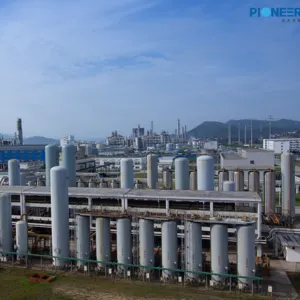
| 1 | PSA-H2 Purification Plant | 8419.60 | China | Beijing Peking University Pioneer Technology Corporation Ltd. | $1,000,000 / Other |
| 2 | SILVER FIR Silver Cedar Cadmium Nickel Battery GNC100 Power Plant Room Power Distribution 1.2V100AH AGV Car Start | China | Yinshan Battery (Shandong) Co., Ltd | $500 / Kilogram | |
| 3 | Banana Tissue Culture Plants | 0602.90 | India | CropGen Biotech Company | $17 / Pieces |
| 4 | Organically grown B Grade Plantifolia Vanilla Beans | 0905.00 | Papua New Guinea | LNM SERVICES | $10 / Kilogram |
| 5 | Organically Ground Plantifolia Vanilla Beans | 0905.20 | Papua New Guinea | LNM SERVICES | $10 / Pieces |
| 6 | plant pot | 6810.99 | India | Innovation wood craft | $10 / Pieces |
| 7 | Nursery Bags/Grow bags/plant bags | 3923.29 | India | HET-ARYA International | 1.69 USD FOB mundra port PER KG |
| 8 | Municipal Sewage Treatment Plant | 8421.21 | India | EuroteckIndia | $3,998.35 / Other |
| 9 | Industrial Water Treatment Plant Manufacturing | 8421.21 | India | EuroteckIndia | $3,998.35 / Other |
Frequently Asked Questions About Wholesale Plant Growth Stimulants Sourcing
What HS code applies to wholesale plant growth stimulants imports?
What is the typical FOB price band for bulk plant growth stimulants?
Which countries are the leading global exporters of plant growth stimulants?
What pre-shipment inspection scope is standard for plant growth stimulants?
What is the typical ocean transit time for plant growth stimulants shipments?
What certifications and quality documentation do buyers expect for plant growth stimulants?
How should bulk plant growth stimulants be packed for FCL ocean shipment?
What customs documentation is required to clear a wholesale plant growth stimulants shipment?
How are pre-shipment samples handled on wholesale plant growth stimulants orders?
What payment terms work best for first-time plant growth stimulants sourcing?
Plant Growth Stimulants Community & Live Sourcing Activity
Explore Plant Growth Stimulants
Hand-picked products and verified suppliers across plant growth stimulants